The Three Circles of Sex Addiction Recovery: Understanding Red, Yellow, and Green
By Andrea Lahana
Recovery from sex addiction involves more than simply stopping certain behaviors. It also means understanding what leads to those behaviors, recognizing warning signs, and developing healthier ways to navigate emotions, relationships, and everyday life.
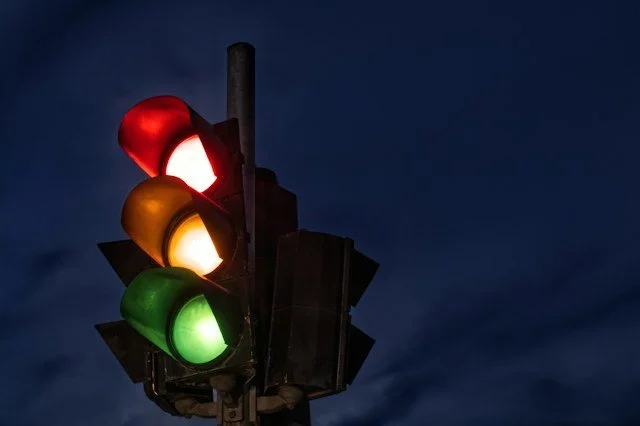
One helpful tool used in sex addiction recovery is the Three Circles model, developed within Sex Addicts Anonymous (SAA). The model organizes recovery into three categories: red, yellow, and green. Each circle serves a different purpose, helping individuals establish boundaries, recognize vulnerabilities, and build healthier relationships with themselves and others.
The goal isn't perfection or avoiding every uncomfortable feeling. It's developing awareness, accountability, and the ability to make choices that align with one's values.
Red Circle: Behaviors That Cross Recovery Boundaries
The red circle includes specific behaviors that an individual has identified as incompatible with their recovery. These are often behaviors that have contributed to compulsive patterns, secrecy, broken trust, or other negative consequences.
Examples may include:
Viewing pornography when it has been identified as a problematic behavior
Engaging in sexual conversations outside of relationship agreements
Using dating or hookup apps to pursue secretive sexual encounters
Visiting sex workers or engaging in sexual activities that violate recovery boundaries
Hiding or lying about sexual behaviors
An important distinction: Red-circle behaviors are individually defined. What belongs in one person's red circle may not belong in someone else's. The goal is not to label sexuality as inherently unhealthy, but to identify specific behaviors that interfere with recovery, relationships, and personal values.
Clearly identifying red-circle behaviors also helps eliminate ambiguity. For example, "being inappropriate online" leaves considerable room for interpretation, whereas "sending sexually explicit messages to someone outside of my relationship agreements" establishes a specific behavioral boundary.
Crossing a red-circle boundary calls for honesty, accountability, and an examination of what contributed to the behavior. It does not mean that all previous progress has been lost. Rather than becoming consumed by shame, individuals can use these experiences to identify where additional support, structure, or changes may be necessary.
Yellow Circle: Recognizing Warning Signs
The yellow circle includes emotions, thoughts, situations, and behaviors that may increase someone's vulnerability to stepping into red-circle behaviors.
This is where self-awareness becomes especially important. Compulsive sexual behaviors do not always begin with sexual desire. Sometimes, they begin with loneliness, boredom, resentment, rejection, stress, or an overwhelming desire to escape uncomfortable feelings.
Common yellow-circle warning signs may include:
Feeling lonely, rejected, overwhelmed, or emotionally disconnected
Isolating or withdrawing from supportive relationships
Increase in negative cogitions
Increased secrecy, rationalization, or minimizing behaviors
Seeking external validation or sexual attention
Neglecting sleep, self-care, or recovery routines
Experiencing increased urges while avoiding healthy coping strategies
Avoiding therapy, recovery meetings, or accountability conversations
From an Internal Family Systems (IFS) perspective, some of these patterns may reflect protective parts attempting to manage difficult emotions. For example, a part of someone may seek sexual attention to avoid feeling inadequate, unwanted, or rejected. While the behavior may create temporary relief, it can ultimately reinforce the same emotional patterns the individual is working to change.
Approaching these parts with curiosity rather than judgment allows individuals to better understand what is happening internally. This does not excuse harmful behaviors or eliminate accountability. Instead, it creates opportunities to recognize emotional needs and respond to them differently (Schwartz, 2021).
The yellow circle is not necessarily a sign that someone is doing something wrong. Feeling lonely, experiencing attraction, or having sexual thoughts does not automatically indicate a problem. These experiences become relevant warning signs when they are part of an individual's established pattern of moving toward behaviors that compromise recovery.
The purpose of the yellow circle is to recognize vulnerability early enough to make a different choice.
Green Circle: Building a Life That Supports Recovery
The green circle includes behaviors, relationships, and practices that support emotional well-being, meaningful connection, and long-term recovery.
While the red circle focuses on what someone is working to stop, the green circle helps individuals identify what they want to move toward. Recovery cannot be sustained through avoidance alone. It also requires developing healthier ways to cope with stress, navigate relationships, and experience fulfillment.
Examples of green-circle behaviors include:
Attending therapy, recovery meetings, or support groups
Practicing mindfulness, meditation, or grounding exercises (box breathing, 54321, etc.)
Engaging in physical movement, yoga, or spending time outdoors
Communicating honestly with partners and supportive individuals
Maintaining healthy routines around sleep, nutrition, and self-care
Exploring hobbies, creativity, and meaningful interests
Practicing emotional awareness and healthy coping strategies
Developing healthy intimacy and connection without relying on compulsive sexual behaviors
Green-circle behaviors are not simply distractions from sexual urges. They can help individuals develop greater emotional regulation and the capacity to tolerate discomfort without immediately seeking relief through familiar patterns.
From a nervous system perspective, practices such as mindfulness, breathwork, and grounding often help individuals recognize physiological signs of stress and respond more intentionally. Rather than automatically turning toward behaviors that provide temporary relief, individuals can gradually develop a wider range of tools for navigating emotional discomfort.
It is also important to recognize that green-circle activities will look different for everyone. What helps one person feel grounded and connected may not have the same effect on someone else. The goal is to identify behaviors that genuinely support one's recovery and overall well-being.
How the Three Circles Work Together
Consider someone who has identified secretive sexual messaging as a red-circle behavior.
After a stressful day at work, they begin feeling disconnected from their partner and questioning their self-worth. Rather than communicating these feelings, they withdraw, spend more time scrolling through social media, and notice an increasing desire for attention from others.
These experiences may represent yellow-circle warning signs.
By recognizing these patterns, the individual has an opportunity to pause and make a different choice. They might reach out to a recovery support person, practice grounding, attend a meeting, or communicate honestly with their partner about how they are feeling.
These are green-circle behaviors that can help reduce the likelihood of crossing a red-circle boundary.
Over time, individuals may begin to notice recurring patterns. Perhaps isolation increases vulnerability, or certain emotional experiences consistently precede urges. Recognizing these connections helps individuals develop a more personalized understanding of their recovery and create practical plans for navigating difficult moments.
The circles are not intended to function as a rigid progression in which every yellow-circle experience inevitably leads to a red-circle behavior. Instead, they offer a way to recognize patterns and respond with greater awareness.
Recovery Is About More Than Avoiding the Red Circle
One of the most important things to understand about the Three Circles model is that it is not intended to create shame, fear, or rigid rules around sexuality.
Experiencing an urge, attraction, or uncomfortable emotion does not automatically mean someone has violated their recovery. Thoughts and feelings are different from behaviors, and learning to recognize that distinction is an important part of healing.
Recovery also involves learning to tolerate discomfort without immediately attempting to escape it. For many individuals, compulsive sexual behaviors have served as a way to cope with emotional pain, stress, loneliness, or disconnection. Developing alternative coping strategies takes time, consistency, and a willingness to explore what may be happening beneath the surface.
The circles themselves are not universal or necessarily permanent. As individuals develop greater self-awareness and stability, their recovery plans may evolve. What matters is that the circles remain specific, realistic, and aligned with their recovery goals, ideally with guidance from a qualified therapist or recovery support system.
Ultimately, recovery is not simply about staying out of the red circle. It is about recognizing the yellow circle and intentionally creating more space for the green.
At Elliant Counseling Services, we recognize that meaningful recovery involves understanding the emotional, relational, and behavioral patterns beneath compulsive behaviors. Through compassionate, individualized care, individuals can work toward greater self-awareness, accountability, emotional regulation, and healthier relationships with themselves and others.
Embrace the courage to change and contact Elliant Counseling Services to schedule a free confidential consultation today!
Learn more about Andrea Lahana.
References
Schwartz, R. C. (2021). No bad parts: Healing trauma and restoring wholeness with the Internal Family Systems model. Sounds True.
Sex Addicts Anonymous. (n.d.). Sobriety and the three circles. https://saa-recovery.org/our-program/sobriety/